01 — About Me

Jingxuan Cui 崔静璇

I am a postdoc fellow at Colorado State University (CSU), working with Eric Maloney, Charlotte DeMott, and Emily Riley Dellaripa, with special interests in tropical intraseasonal variability, air-sea interaction, tropical-extratropical interaction, and climate change. Now I am working on the processes-oriented diagnosis of equatorial oceanic waves in multi-models, especially the wave responses to intraseasonal westerly wind forcing associated with the Madden–Julian Oscillation (MJO).

Keywords for spare time:  travelling around / story-oriented photography / movies / Asian indie rock / running

02 — Research

Research topics

Westerly Wind Events & Oceanic Kelvin Waves in the Equatorial Pacific

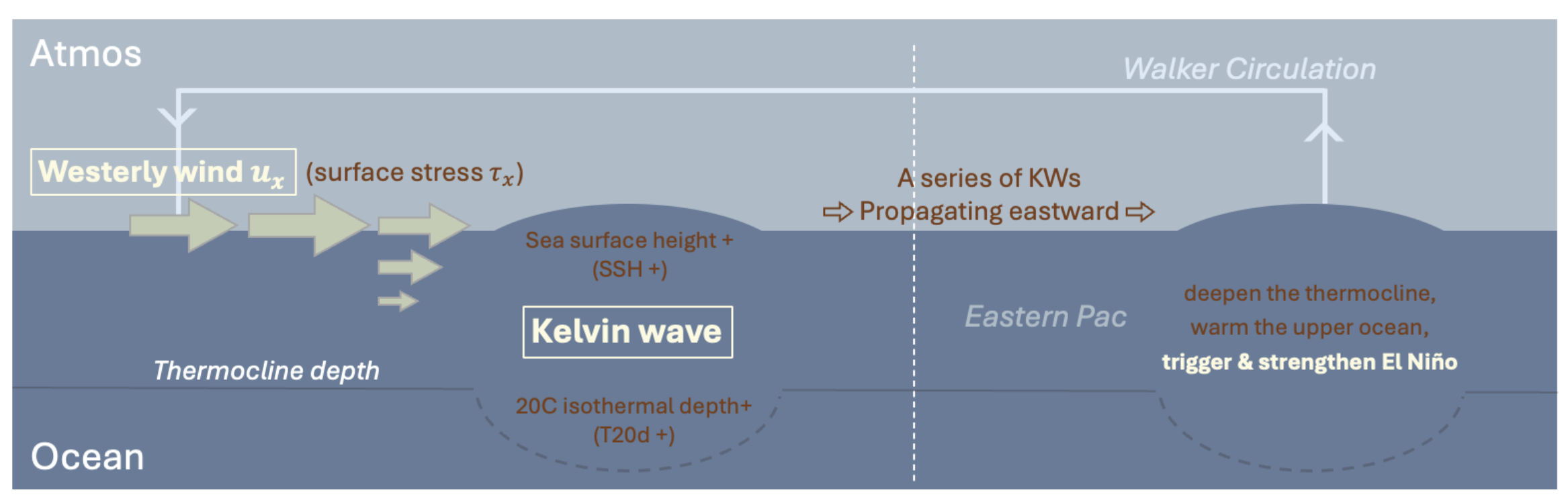
(Schematics of the connections between WWE, OKW, and ENSO)

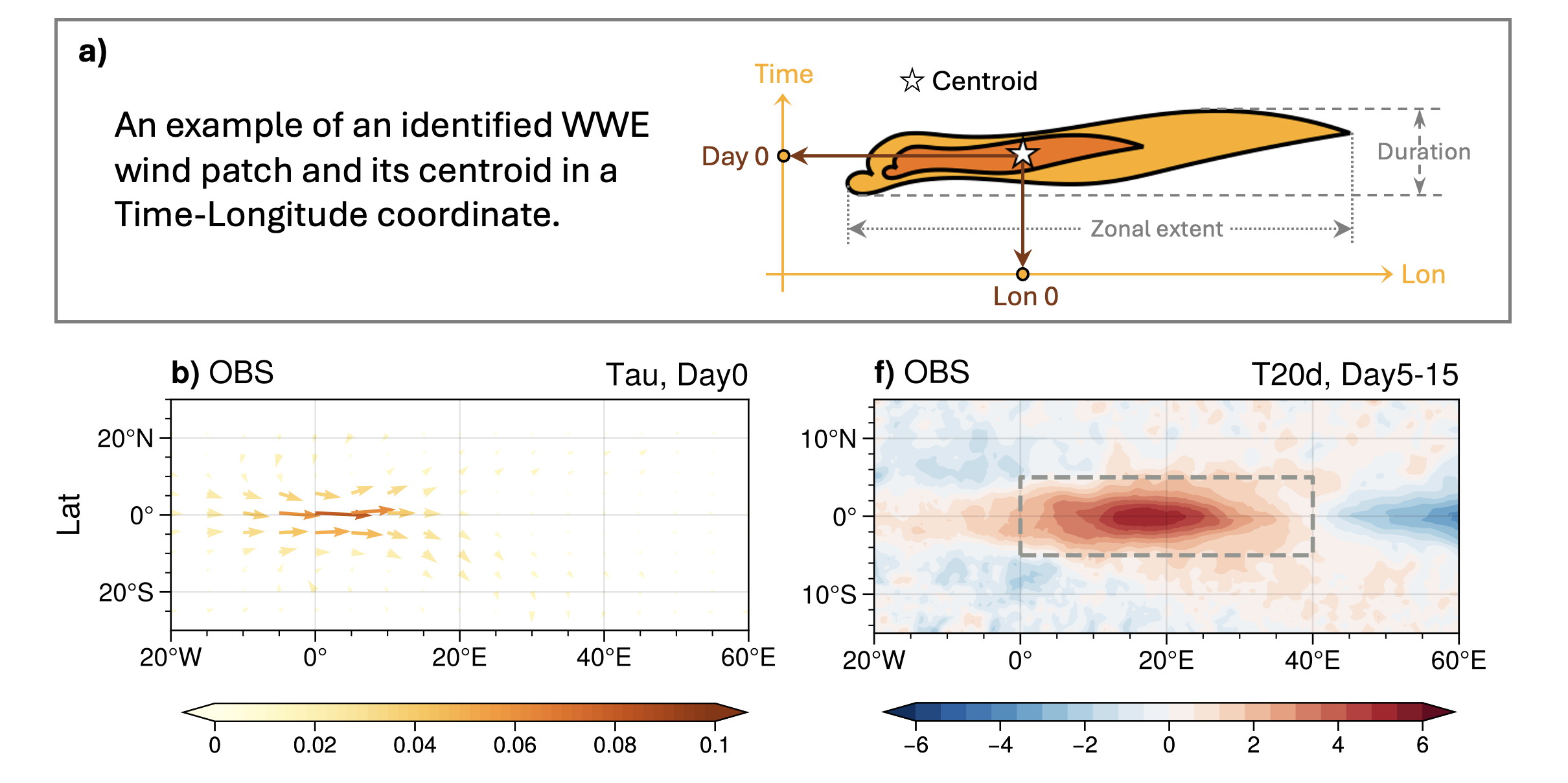
(Example of an identified WWE and its OKW response)

Eastward-propagating oceanic Kelvin waves (OKWs), typically triggered by westerly wind events (WWEs) over the equatorial warm pool, modulate upper-ocean thermal structure and feed back onto coupled air-sea phenomena such as El Niño onset. My research uses newly available daily thermocline depth fields from CMIP6 models to ask how well these processes are captured in climate simulations: whether WWEs and OKWs are realistically represented, how faithfully models reproduce their air-sea coupling, and what role upper-ocean biases play where discrepancies arise.

MJO Features and Teleconnection Changes under Global Warming
(MJO convection and circulation changes under warming, Maloney et al. 2019)

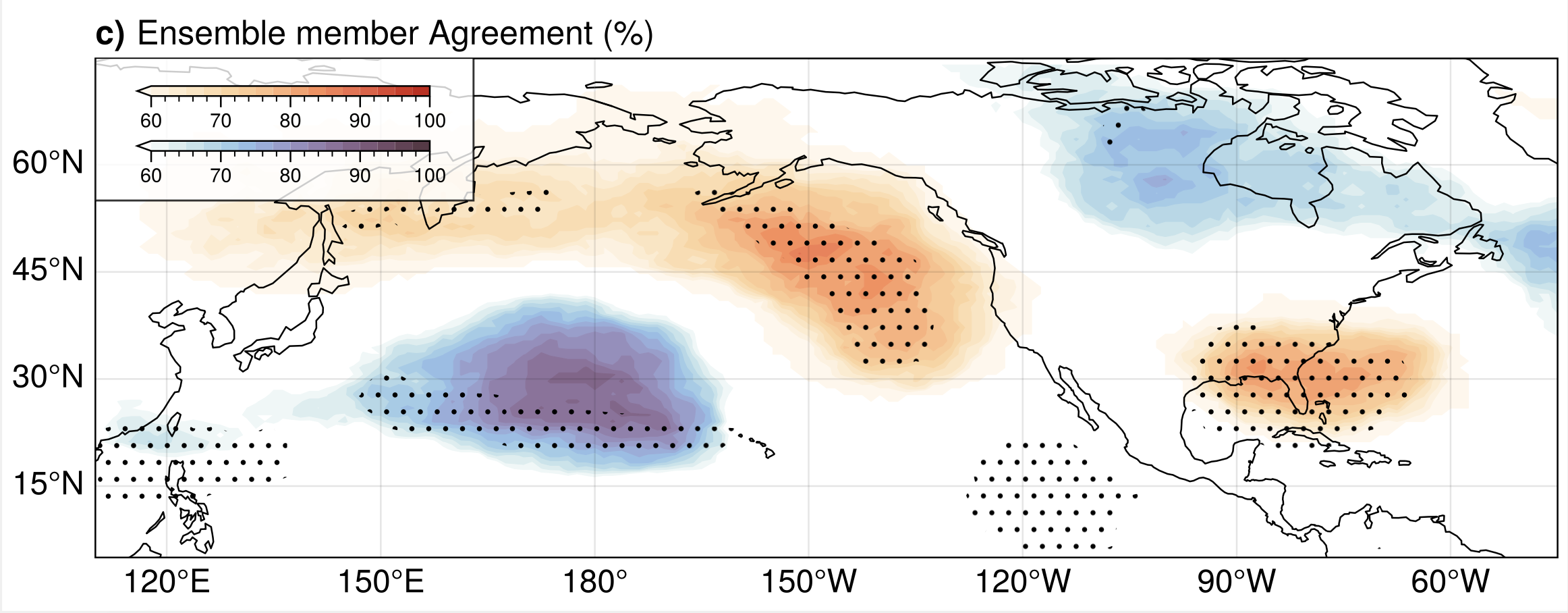
(CESM2 large ensemble's agreement on MJO teleconnection changes)

The Madden–Julian Oscillation (MJO) is the dominant mode of tropical intraseasonal variability, shaping global weather and climate through its teleconnections (e.g., Stan et al. 2017). Changes in MJO behavior, in the past and future, can substantially alter precipitation across extratropical regions spanning the Americas, East Asia, Australia, and Europe. Using multiple climate models, we show that MJO propagation speed increases under warming, with the acceleration weakening at later warming stages, and that teleconnections to the Southwest and Southeast US strengthen accordingly. These changes are driven largely by increased mean static stability and column moisture, the competition between the two, and the expansion of the warm pool under global warming.
Publications

03 — Curriculum Vitae
04 — Small Footprints
  • July 2023: Started my postdoc at CSU, working with Charlotte DeMott, Emily Riley Dellaripa, and Eric Maloney.
  • June 2023: Got my Ph.D. in Meteorology from NUIST.
  • January 2022: Visited Colorado State University and started working with Prof. Eric Maloney.
  • August 2021: My works was mentioned in IPCC Sixth Assessment Report!
  • October 2019: Recieved the NUIST Outstanding Doctoral Freshman Scholarship.
  • June 2019: My first paper "Changes of MJO Propagation Characteristics under Global Warming" has been published!
  • June 2018: Obtained B.S. degree in Atmospheric Science at Nanjing University of Information Science & Technology (NUIST), recieved NUIST Presidential Award, and joined in Tim Li's research group.
05 — Captured Moments

Some fascinating moments I met

(Updated in 2023)

The first spring after the pandemic began
@04/30/2020
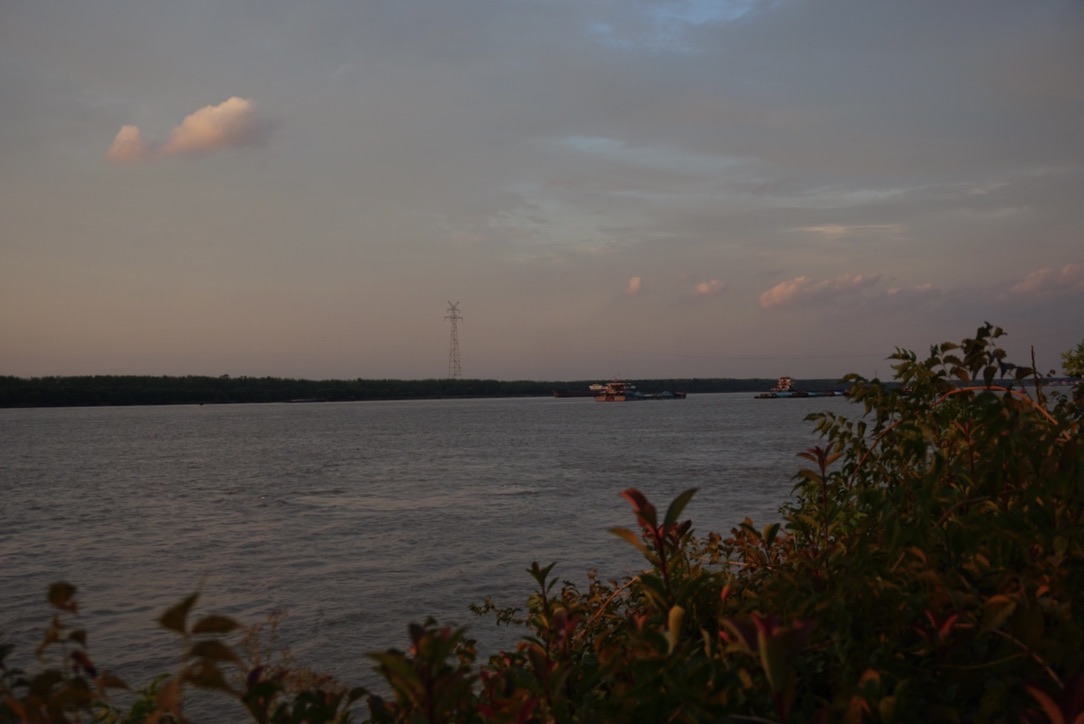
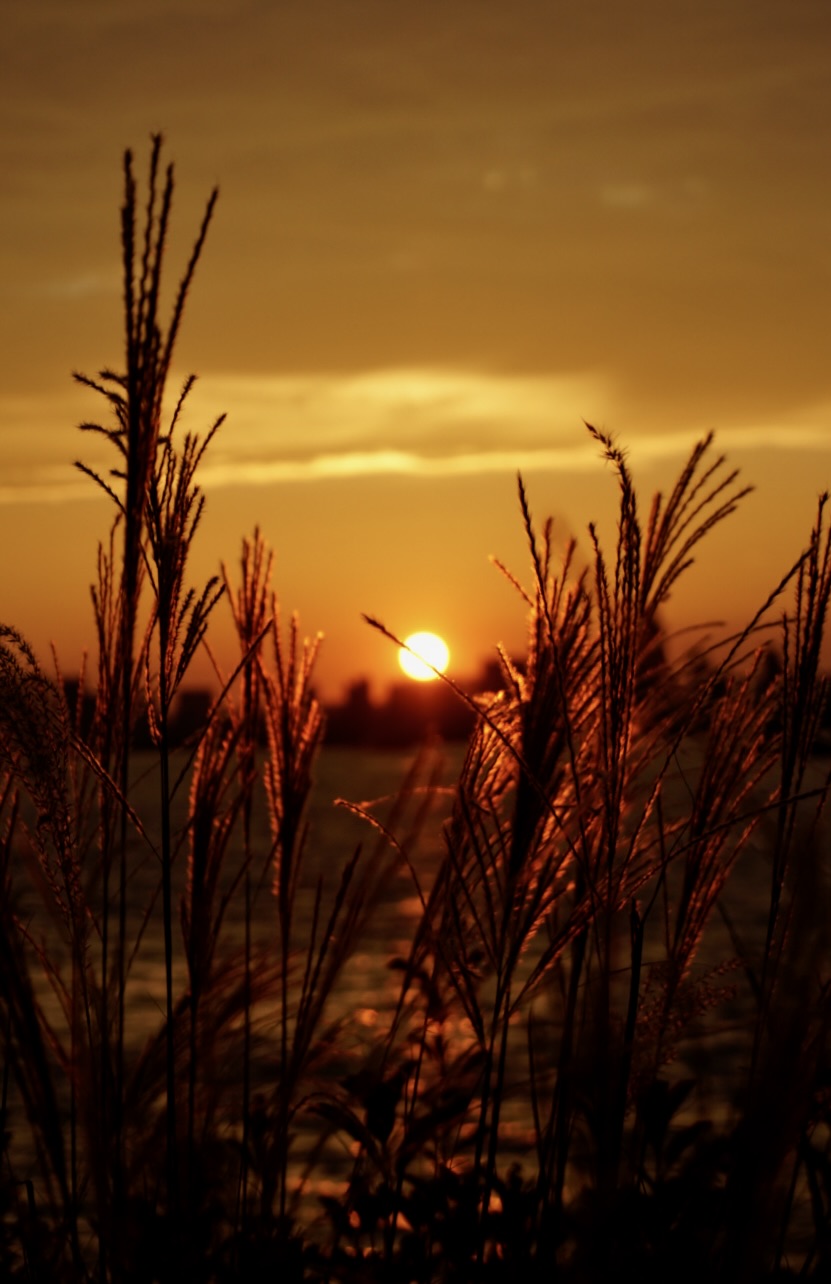
Sunset by the Yangtze River
@09/20/2021
A band @Griffith Observatory
@08/09/2022
(made it a calendar bg for myself)
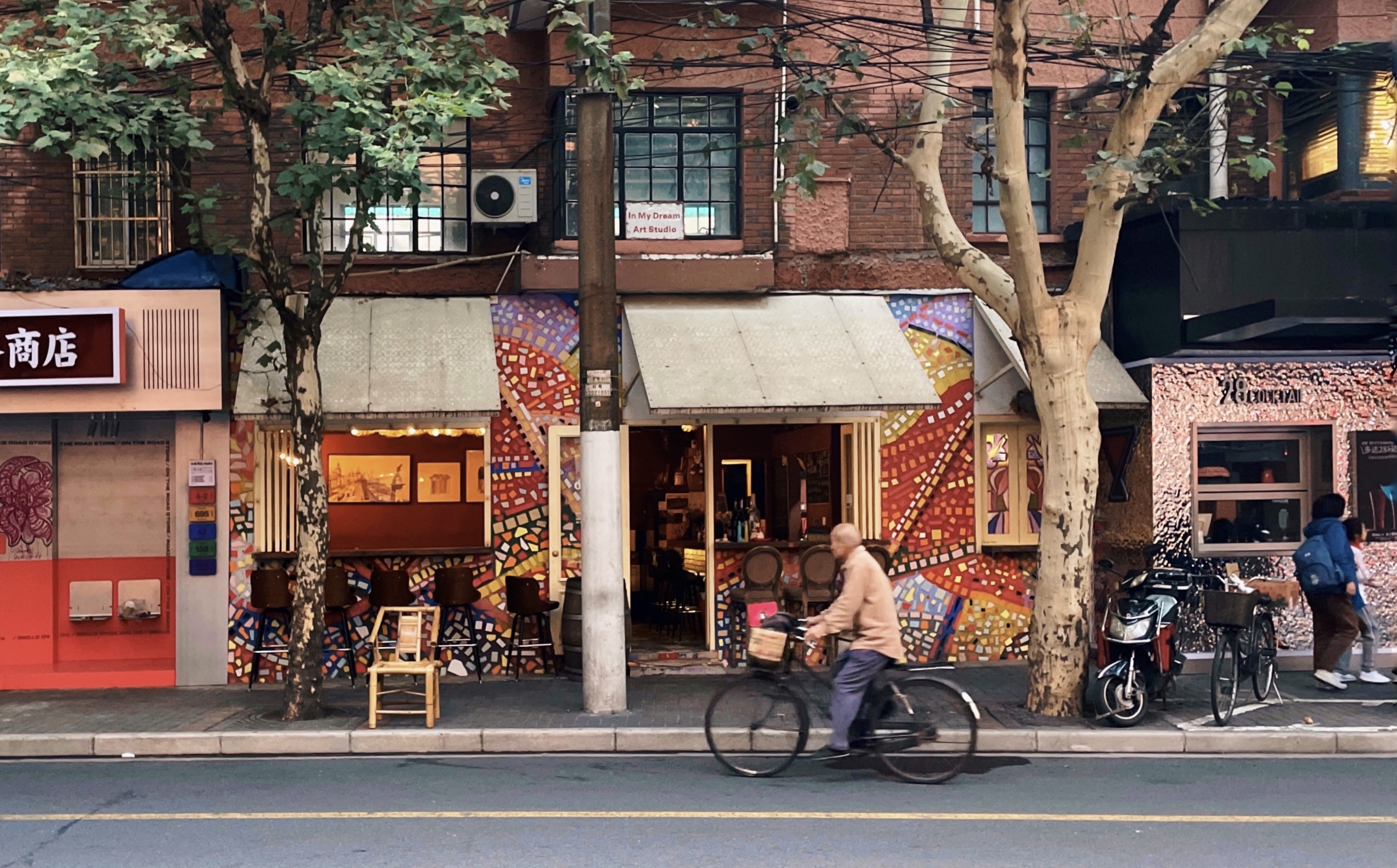
An alley in Shanghai
@10/25/2021
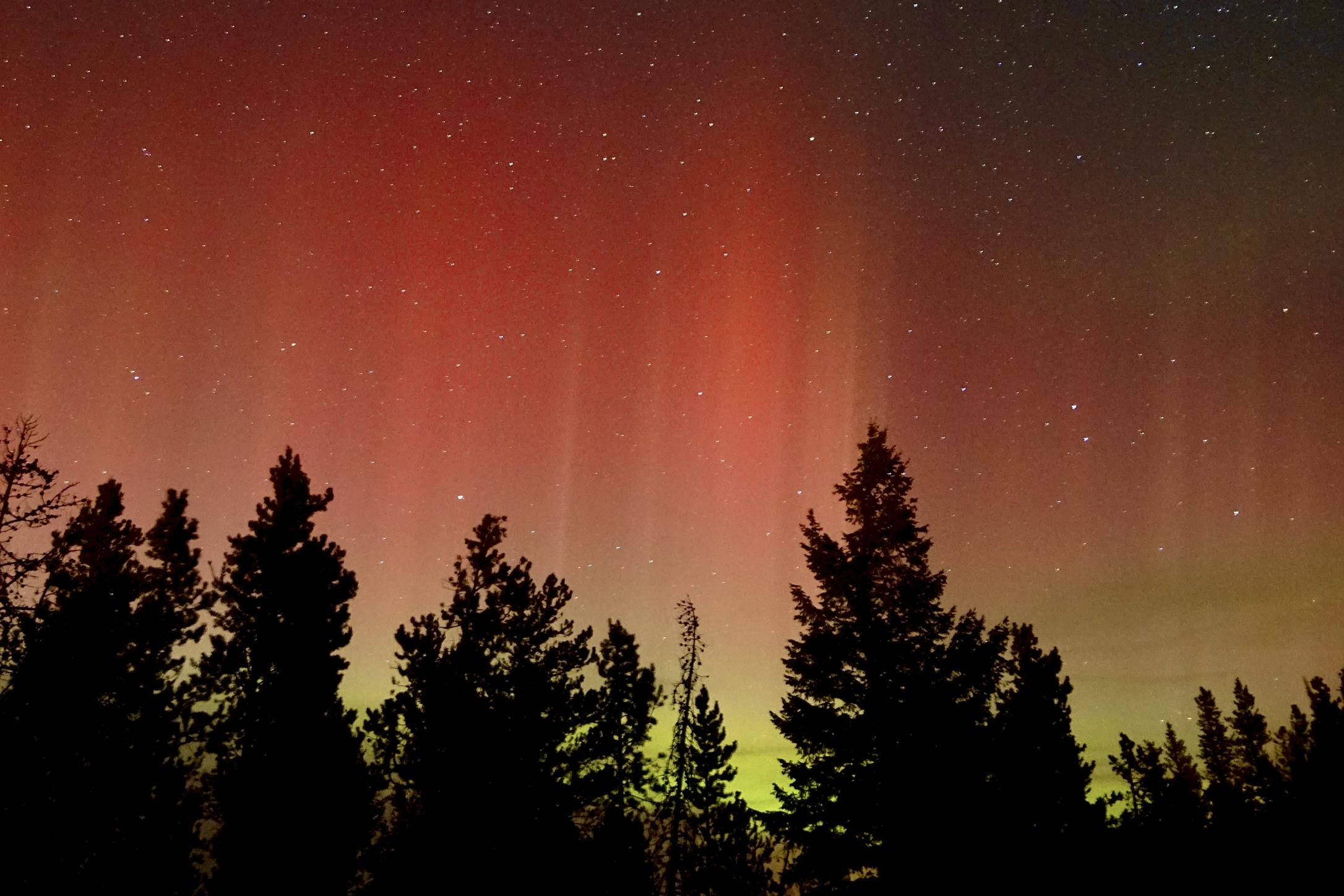
Aurora @CSU_ATS (40.58N)
@04/24/2023
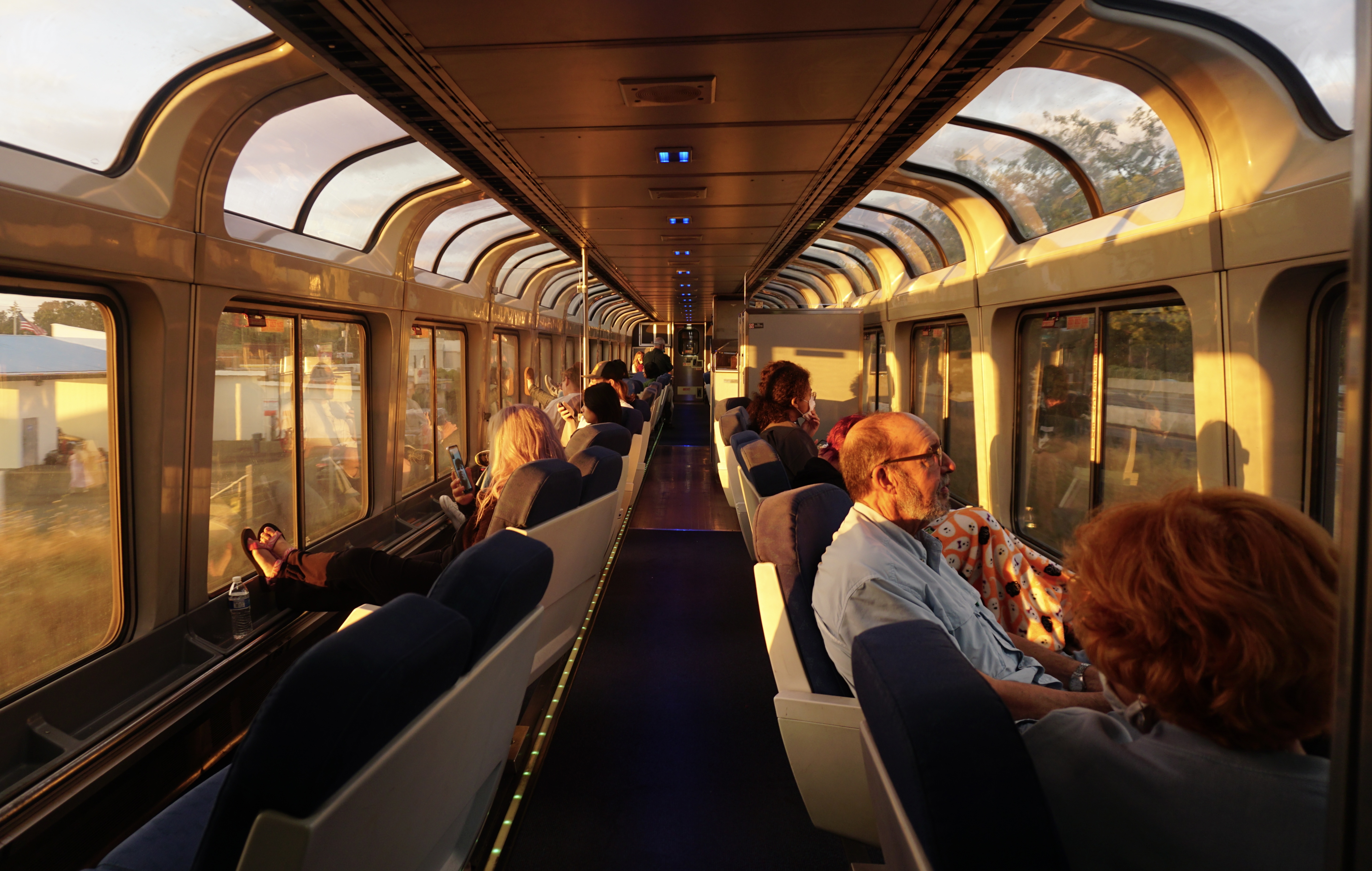
On the Coast Starlight
@08/12/2022
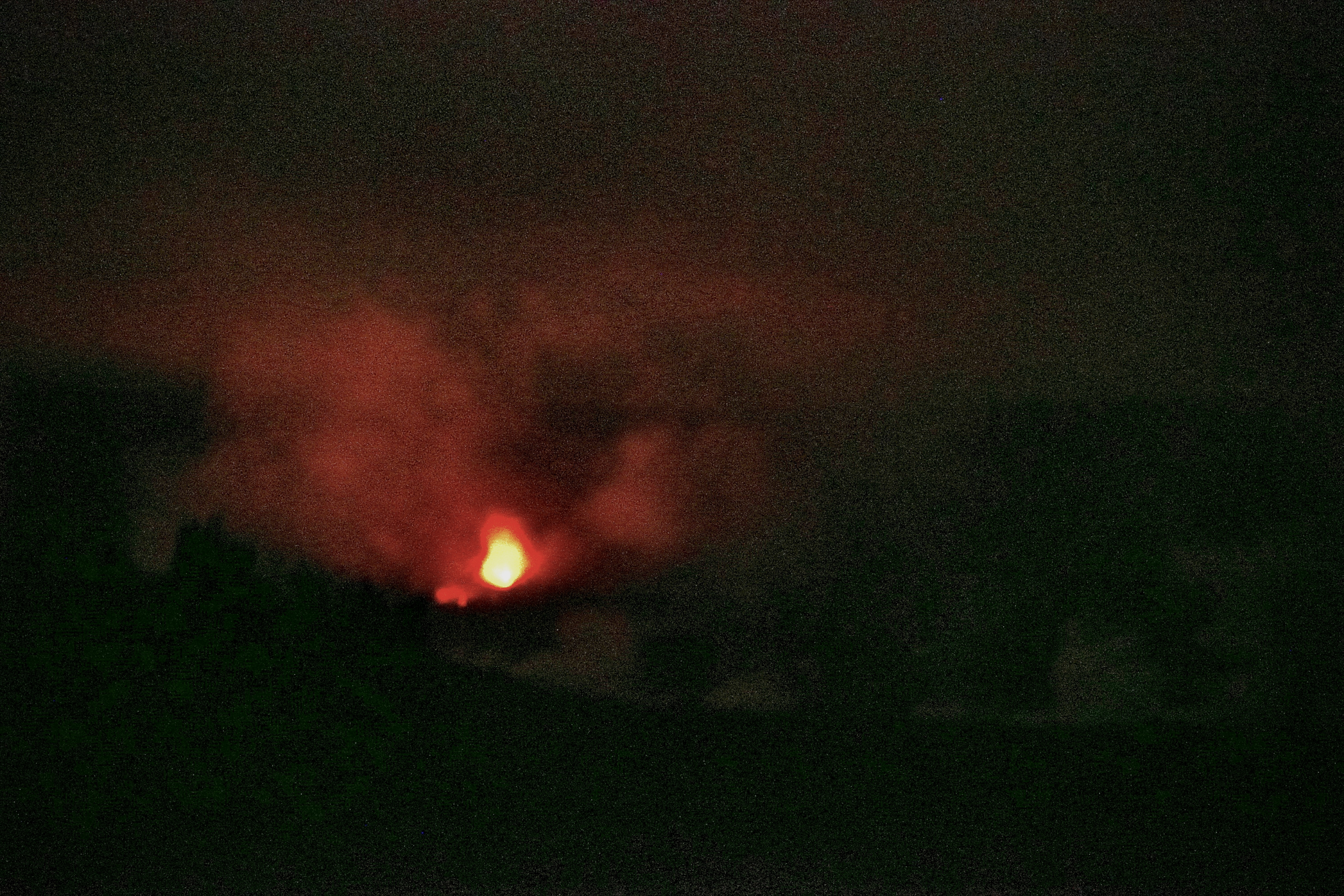
Encountered a volcanic eruption
@12/15/2022
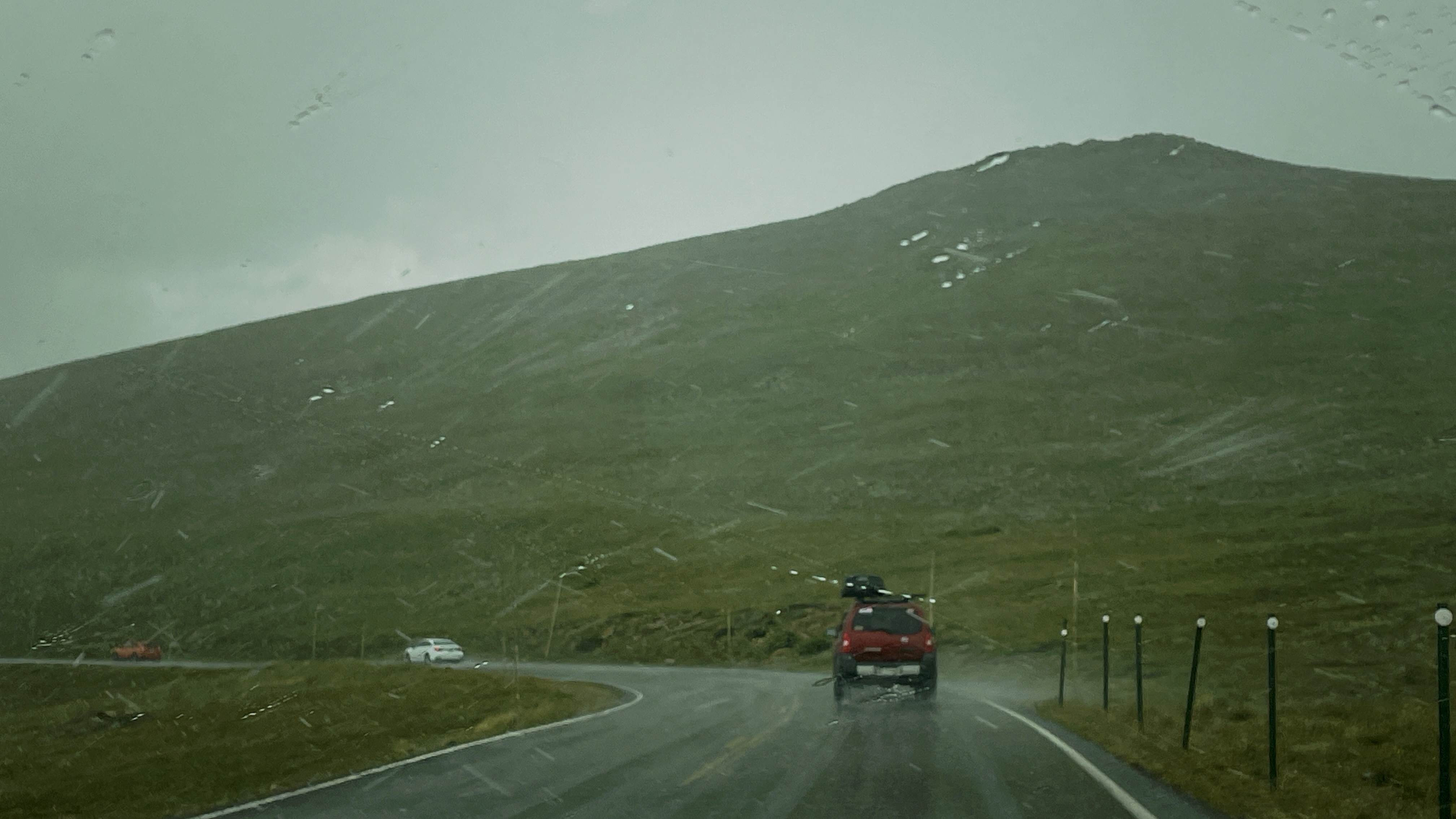
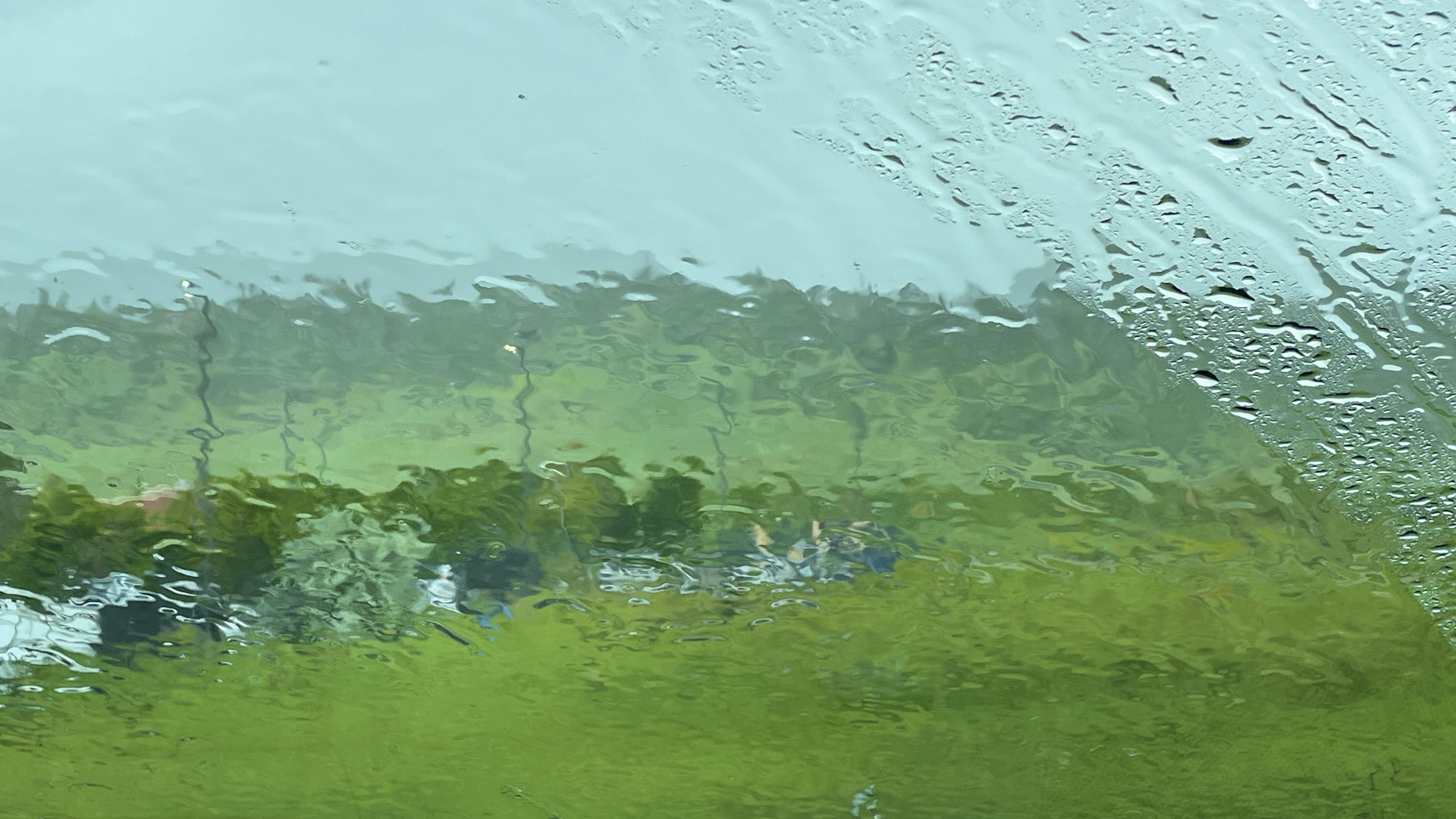
A Rainy Day at RMNP
@08/24/2023